Epoxy Flooring · Raleigh & Fuquay-Varina, NC
Epoxy Flooring Contractor in Fuquay-Varina, NC
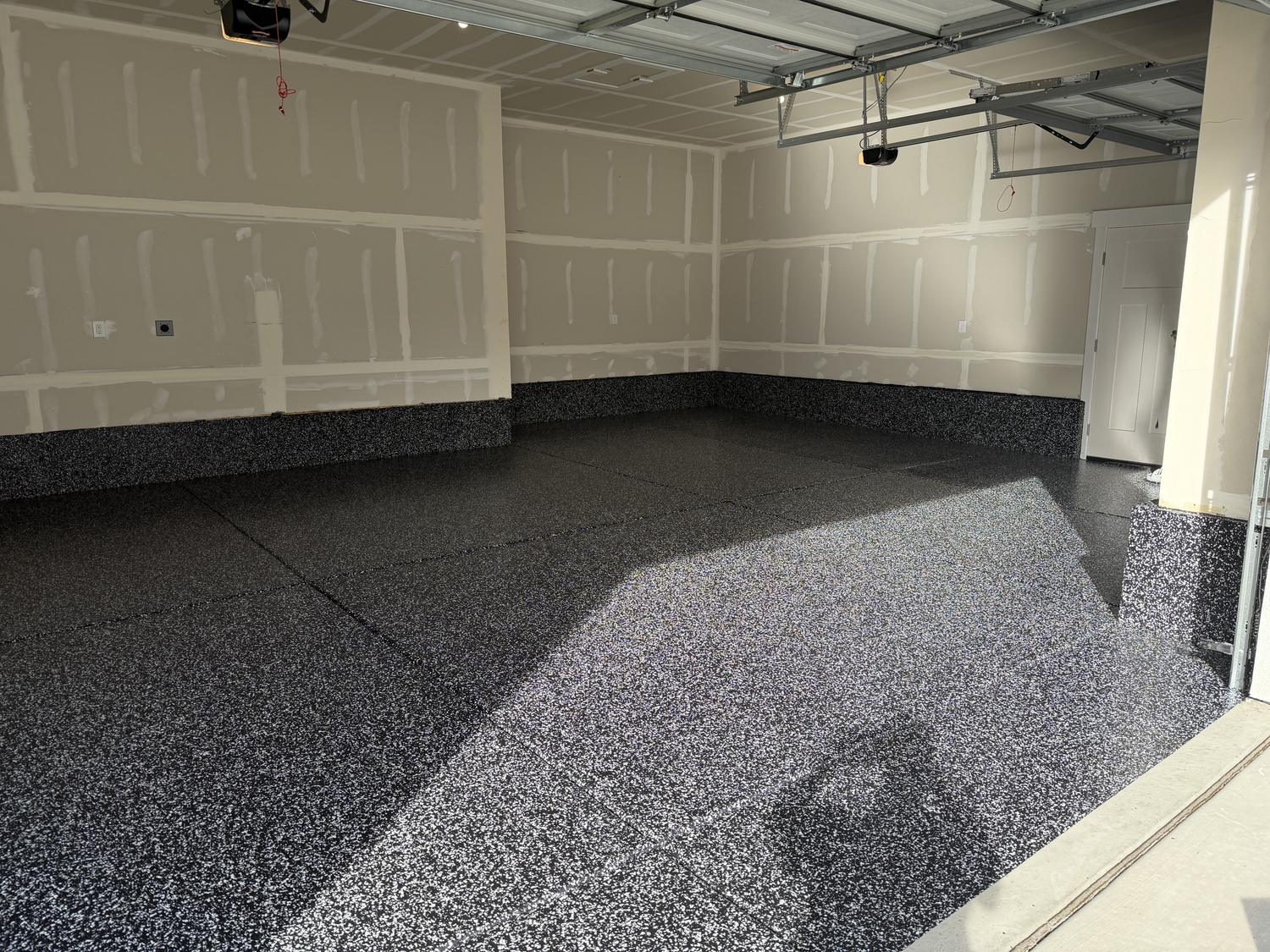
A garage floor that looks better than the rest of the house.
Properly prepped concrete, decorative flake or metallic finishes, and a hard-wearing topcoat built to handle hot tires, oil, and North Carolina humidity. Serving homeowners across the Triangle, from Fuquay-Varina to epoxy flooring in Raleigh, NC.
- Built to Last
- Licensed & Insured Installers
- Local Triangle Service
- Free, No-Pressure Quotes
What We Install
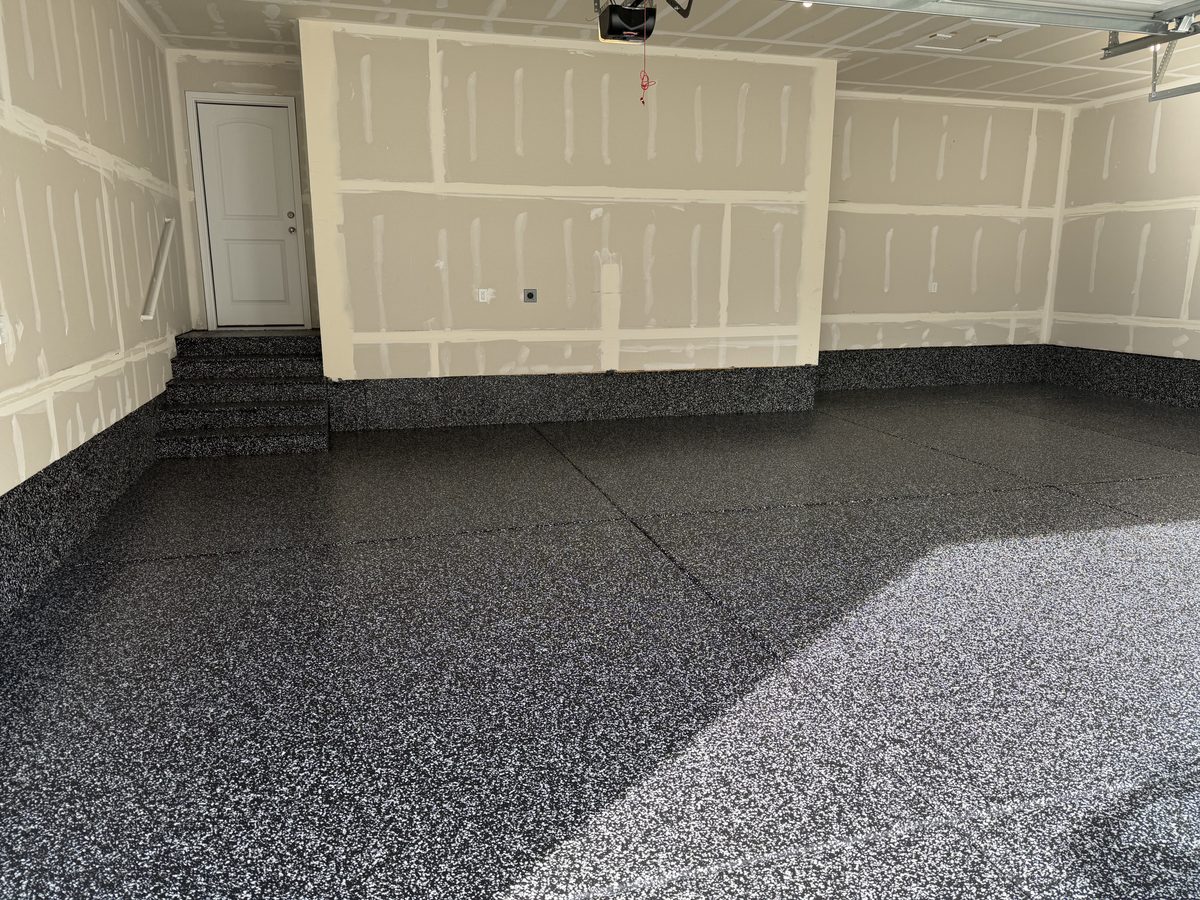
Four systems. Zero shortcuts.
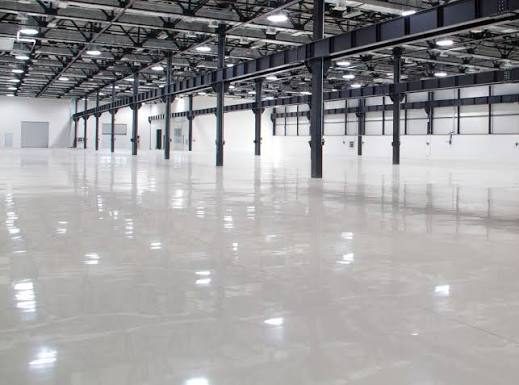
Different rooms need different floors. Every system below starts with the same diamond-ground prep and ends with the same warranty.
See the Difference
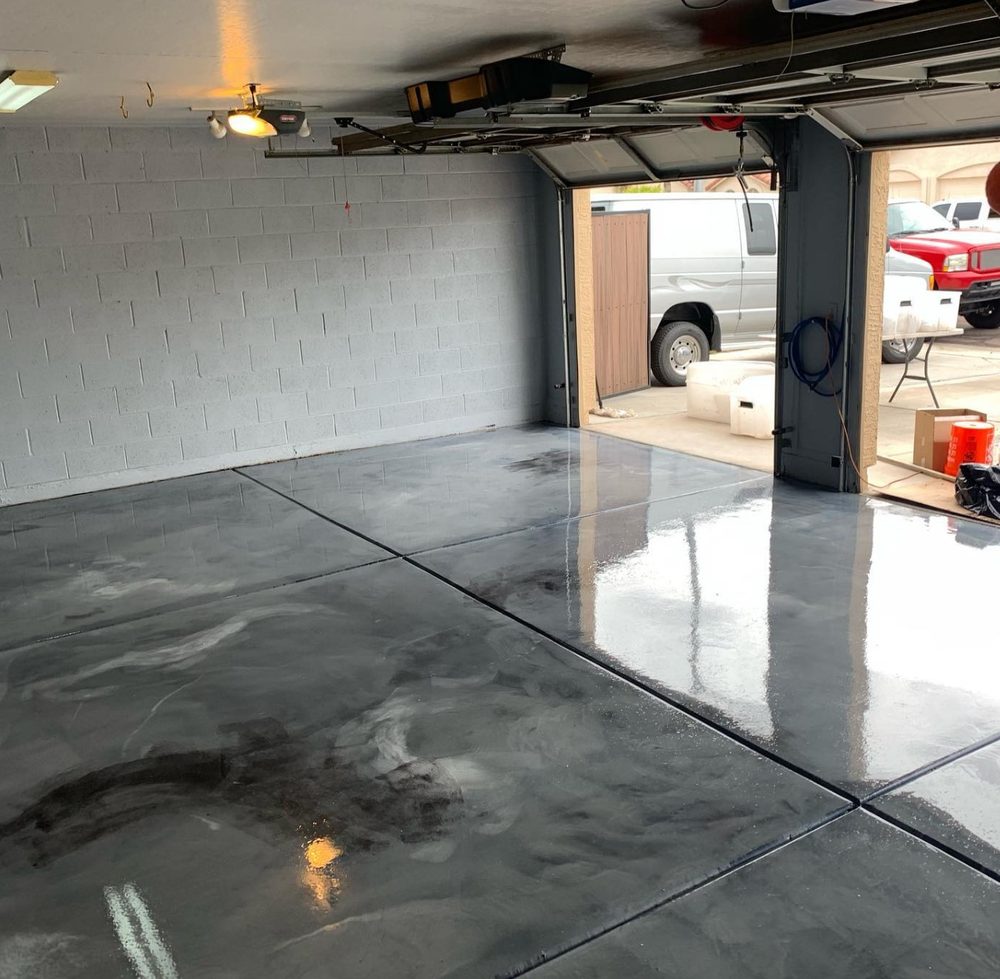
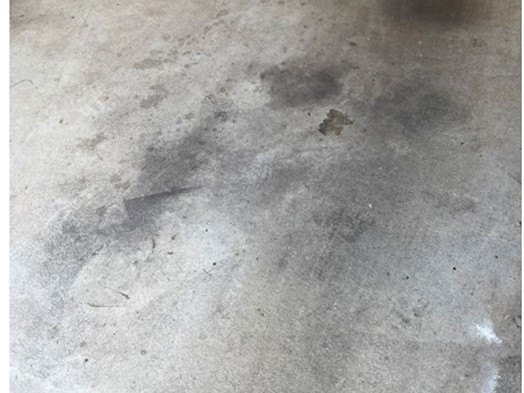
Same slab, coated.
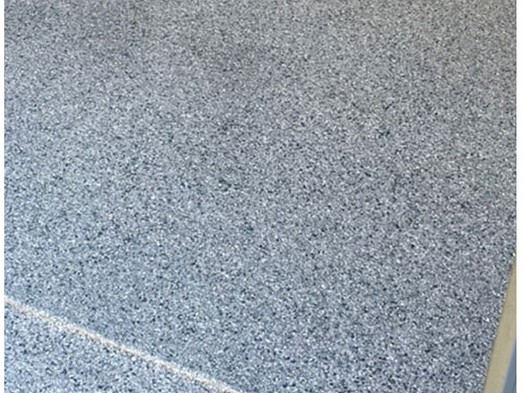
Drag the handle. Stained, pitted, dusting concrete is exactly the kind of floor these systems are designed to cover — and the reason grinding it flat and clean first matters so much.
How It's Installed
Five steps, and none of them get skipped.
Fast doesn’t mean rushed. Every step below exists because skipping it is what turns a ten-year floor into a two-year floor.
Slab inspection & itemized quote
The floor gets measured and checked for moisture, cracks, spalling, and old coatings — all of which change the scope. You get an itemized price before any work begins.
Diamond grinding, not acid etching
Planetary grinders mechanically profile the concrete so the coating can key into it. This is the step budget jobs skip, and it's the most common reason coatings peel.
Repair & moisture control
Cracks get chased and filled, pits patched flush. If the slab tests wet — common in NC basements and older garages — a moisture-vapor barrier goes down first.
Base coat & broadcast
A pigmented base coat is rolled into the profiled concrete, then flake or metallic pigment is applied to full coverage — no thin spots or bare patches.
Protective topcoat
A UV-stable, chemical-resistant clear coat locks it all in. Polyaspartic topcoats cure fast enough that most floors are back in service quickly.
Why It Lasts
A floor is only as durable as the prep underneath it.
- The bond is what lasts
- Coating failure almost always happens at the bond line, not in the coating itself. Concrete that's been mechanically profiled before coating holds a finish dramatically longer than concrete that was only cleaned or acid-etched.
- Made for the way a garage gets used
- Quality resin systems resist hot-tire pickup, oil, brake fluid, road salt, and household chemicals. Spills sit on the surface instead of soaking into porous concrete, so cleanup is a mop rather than a scrub.
- Refreshable, not replaceable
- After years of heavy traffic the topcoat can show wear in the main lanes. That layer can usually be re-coated on its own — you refresh the finish without tearing out and redoing the whole floor.
Warranty coverage varies by system and installer — ask for the specific terms in writing with your quote.
Get a Free QuoteFinishes
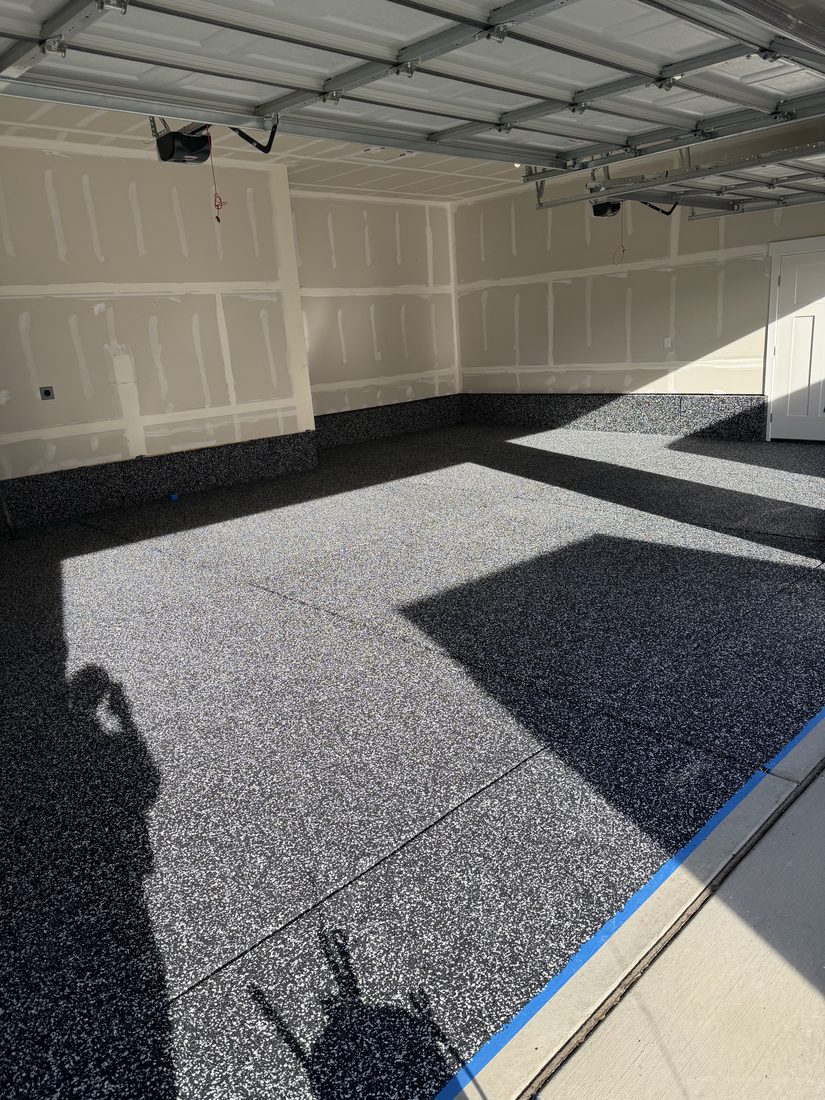
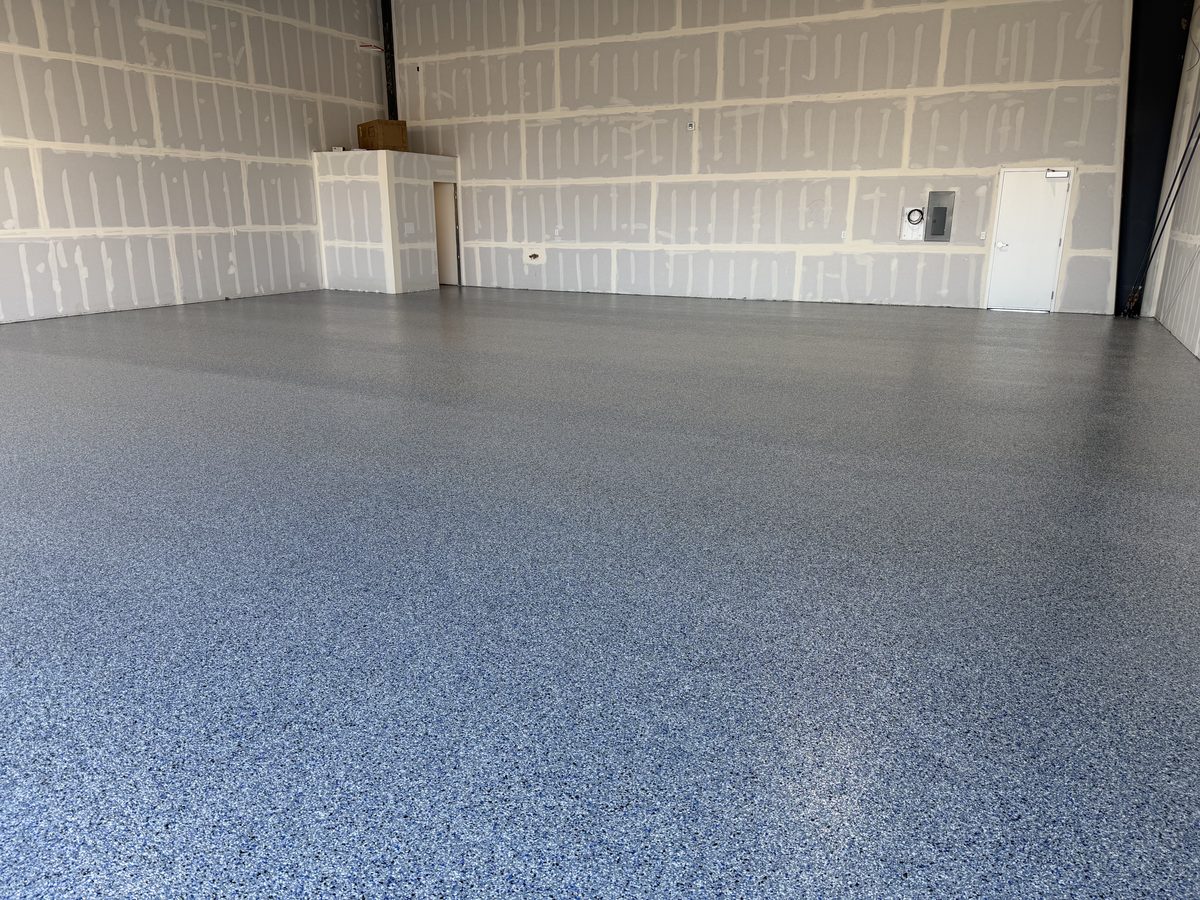
Popular floor styles
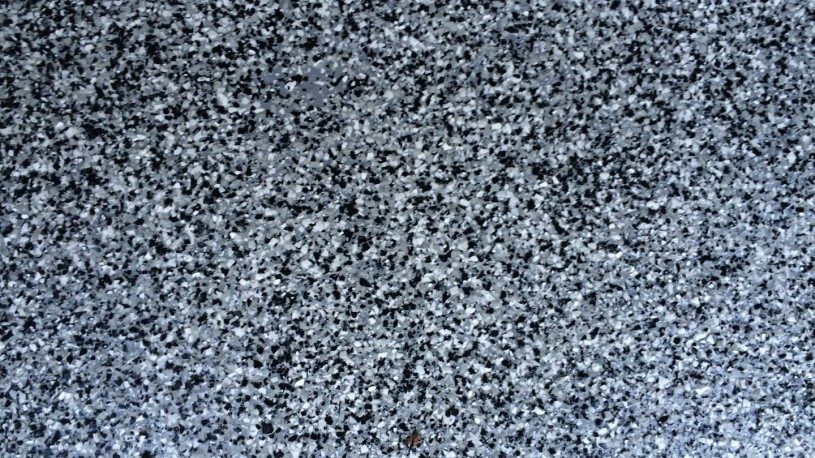
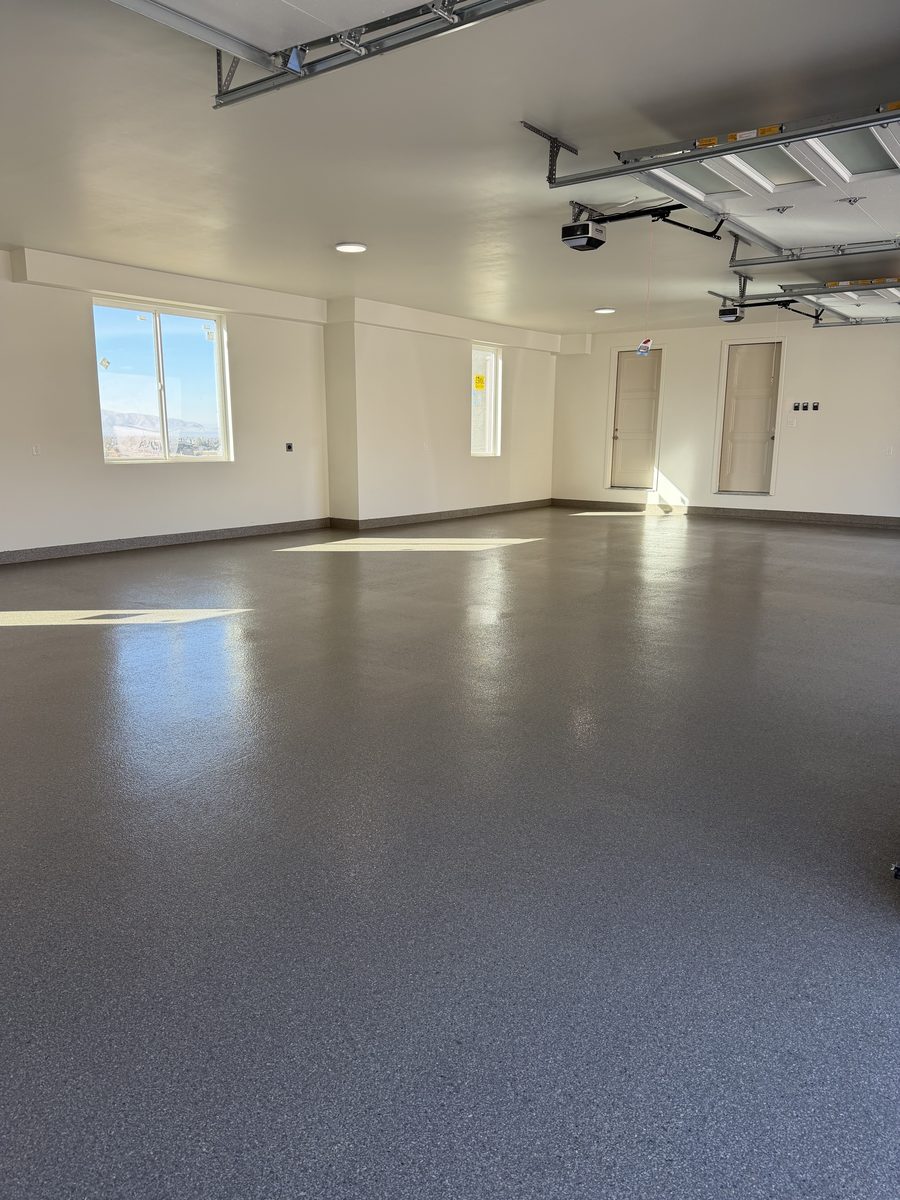
Flake blends, metallic pours, and commercial systems — browse the looks, then we’ll match one to your space and lighting.
Reviews
What neighbors say after the floor cures
“These guys are the best! Called Thursday and they came out next morning. Quote was a great price. I'd recommend these guys to anyone!”
Straight Answers
The questions every homeowner asks us
Cost, peeling, cure time, humidity — asked on nearly every driveway estimate we run. Here are the honest answers.
How much does garage floor epoxy cost in Raleigh?
In the Raleigh area, professionally installed two-car garage floors generally land in the low-to-mid four figures, with simpler solid-color jobs at the bottom of the range and metallic or heavily repaired floors above it. The biggest cost drivers are the condition of your concrete — cracks, spalling, and old coatings that need grinding off all add labor — plus the system you choose and the total square footage. Any quote worth considering is itemized and given after someone has actually looked at the slab; be skeptical of a firm price quoted sight-unseen over the phone.
Will the coating peel when I park hot tires on it?
Not if the concrete was prepared correctly and the right topcoat was used. Hot-tire pickup happens when a coating sits on top of the concrete instead of bonding into it — typically the result of acid etching or skipping prep altogether. Mechanically grinding the slab opens the pores so the coating keys in, and polyaspartic topcoats stay stable well past the temperature a tire reaches. It's the most common failure on budget and DIY-kit floors, so it's worth asking any installer directly how they prep and what their coating is rated for.
How long does installation take, and when can I park on it?
Most residential garages are a quick job — often a single day on site, sometimes two when there's significant repair work. Cure time depends on the system: polyaspartic topcoats typically allow foot traffic within hours and vehicle traffic within a day or two, while traditional epoxy-only systems usually need several days before you drive on them. Humidity and temperature both affect cure, which matters in North Carolina summers. Ask for the specific return-to-service times for the system you're quoted.
What's the difference between epoxy and polyaspartic?
Epoxy is a thick, self-leveling resin that works well as a base coat — it builds thickness and bonds hard to prepared concrete. Polyaspartic is a faster-curing, UV-stable coating that performs better as a topcoat: it resists yellowing in sunlight, handles temperature swings, and cures in hours rather than days. Many quality systems use both — epoxy or polyaspartic below for bond strength, polyaspartic on top for durability and speed. Be cautious when a company insists on "100% polyaspartic" or "100% epoxy" regardless of the job; the right build depends on the slab and how the space is used.
What's the difference between epoxy and polyurea floor coatings?
Both create a hard, seamless surface, but they cure differently. Epoxy builds thickness and bonds aggressively to concrete, making it an excellent base coat — but it cures slowly (24-72 hours before vehicle traffic) and can yellow in direct sunlight. Polyurea (and its cousin polyaspartic) cures in hours, resists UV fading, and handles temperature swings better, which makes it ideal as a topcoat. Most premium systems use both: an epoxy base for bond strength with a polyaspartic topcoat for speed and durability. Ask us which system fits your garage during your free quote — call (984) 261-0090.
How does NC humidity and slab moisture affect epoxy floors?
It matters more in North Carolina than in drier climates. Slabs in the Triangle often test high for moisture, particularly in basements and in older homes built without a vapor barrier. Coating over a slab that's pushing moisture causes bubbling and delamination months later. Good practice is a calcium-chloride or relative-humidity test before quoting, and an epoxy moisture-vapor barrier as the base coat when readings are elevated. It adds cost upfront and it's the difference between a floor that lasts and one that fails.
How long will an epoxy floor last?
A properly prepped residential floor with a quality topcoat is a long-lasting improvement — many perform well for a decade or more under normal use. Heavy traffic lanes eventually show fine scratch swirl in the finish; because the wear happens in the topcoat, that layer can usually be re-coated on its own to refresh the floor without redoing the entire system. Actual lifespan depends on prep quality, the system installed, and how hard the space gets used, and warranty terms vary by installer.
Service Area
Based in Fuquay-Varina. Serving the whole Triangle.
Local service across the Triangle — garages, basements, patios, and commercial floors. If you’re within about 40 minutes of Fuquay-Varina, we can get you a quote.
- Fuquay-Varina, NC
- Holly Springs, NC
- Apex, NC
- Cary, NC
- Raleigh, NC
- Garner, NC
- Willow Spring, NC
- Angier, NC
- Clayton, NC
- Wake Forest, NC
In the city itself? See our epoxy flooring in Raleigh, NC page for neighborhood-by-neighborhood detail.
A bit outside these towns? Call — we regularly quote across Wake, Harnett, and Johnston counties.
Ready for a floor you never have to think about again?
Free quotes across the Raleigh Triangle. Tell us about your space and we'll get you a clear, itemized price — no pressure, no obligation.
Licensed & insured installers · Free quotes